
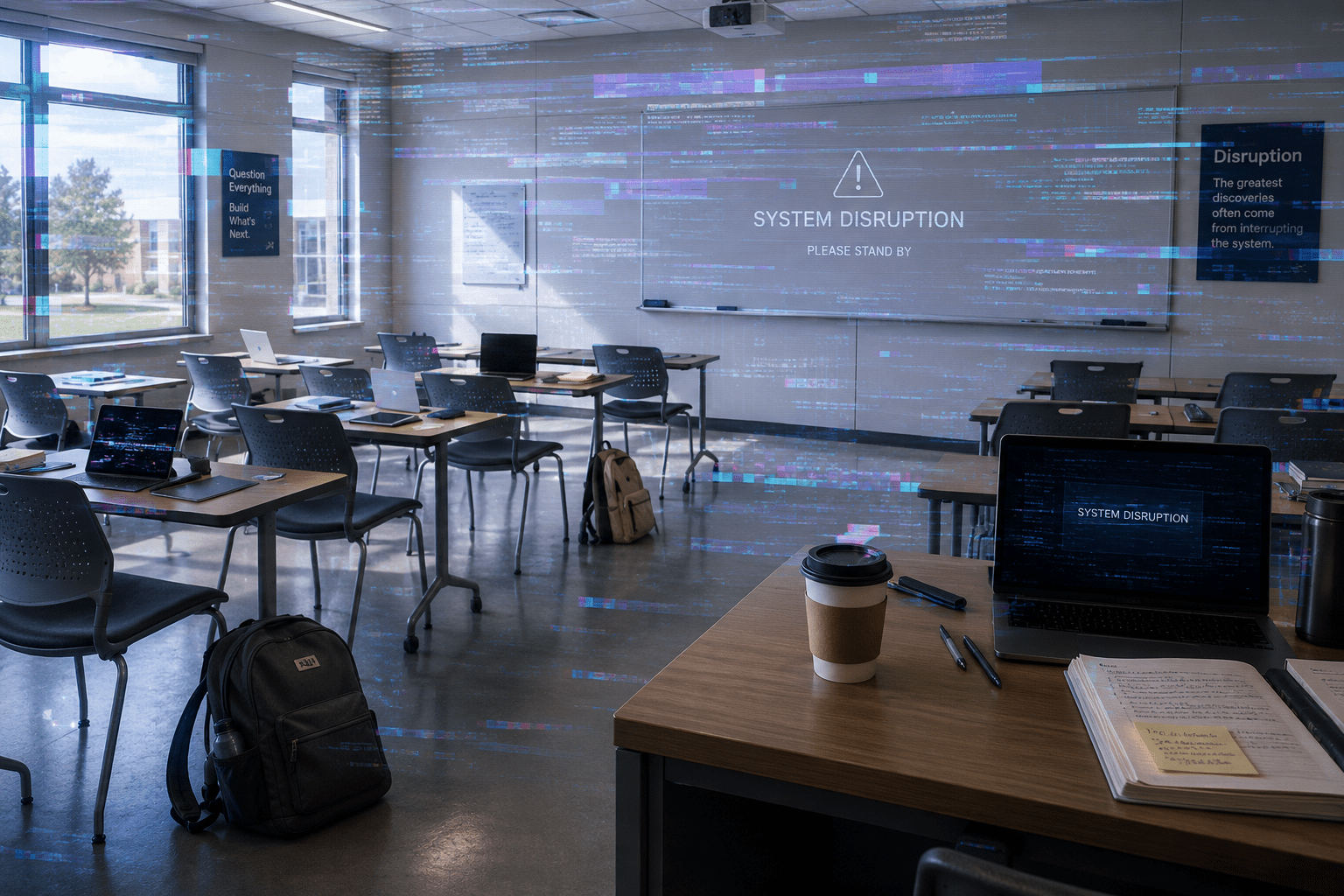
This wasn’t just a school outage.
If you’ve done the news rounds this weekend, then you’ve likely heard of the breach that threw a wrench in education. From K-12 to Ivy League colleges, no one went unaffected.
When Canvas went down, millions of students and educators lost access to assignments, notes, and any communication that happened in the platform. This all happened right smack in the middle of finals.
The worst part is, this wasn’t caused by a massive, obvious failure. It took an exposed entry point being exploited, and the whole house of cards crumbled.
While this breach hit the education space, the way it happened isn’t unique to schools. It’s the same pattern we see all the time across cloud platforms, internal systems, and business-critical tools.
In this blog, we’re going to break down what actually happened with the Canvas cyber attack, where things went wrong, and what this kind of attack looks like in a real-world environment, so you can understand where the risk actually is.
What Is Canvas?
Canvas is a cloud-based platform used by schools and universities to run their day-to-day operations.
It’s where students access assignments, submit work, watch lectures, check grades, and communicate with their teachers. For administrators and teachers, Canvas is the central hub for managing courses, sharing materials, and staying connected with students.
In most cases, Canvas isn’t just a tool, it’s the tool.
When everything is working, it keeps classes organized and communication smooth. But this level of centralization also means a lot of critical activity depends on it being available.
For a lot of schools, this was all of their eggs in one Canvas basket.
Breaking Down the Breach
At a high level, this wasn’t a random outage. It was an attack that forced Canvas offline.
An unauthorized actor found a way in and triggered a disruption that affected thousands of schools at the same time. Users were logged out, access to coursework and communication tools was cut off, and a ransom message appeared across multiple Canvas environments.
From the outside, it looked like the system just stopped working, or maybe some kid was playing a prank. But underneath that, there were two things happening at once:
- Access had likely already been gained: There was a prior incident. This likely means that the attackers weren’t trying to get in; they were already there. The disruption was just the visible part of the attack, not the starting point.
- This wasn’t the first attempt: When you see an attack escalate like this, it usually means there was already some level of exposure or testing happening beforehand.
By the time Canvas went down publicly, the attacker was likely past the “getting in” phase. They were already in a position to cause damage. At this point, the outage isn’t the biggest concern anymore…
It’s that they had access the whole time and no one noticed.
How Attacks Like This Actually Happen
When a large-scale cyberattack happens, most people picture something super high-tech happening behind the scenes. That’s not usually the case, and it’s really important that businesses understand this.
Incidents like the Canvas breach tend to follow a pattern, and it always starts with access, usually through something ridiculously simple. A login page that looks legitimate, a message that feels routine, a set of credentials that gets reused over and over again, then exposed without anyone noticing.
Once that access door is open, they’re in. An attacker will typically lurk behind the scenes, watching, learning, taking the time to understand the environment they’ve landed in. What are they looking for?
- What systems are connected.
- What data is available.
- What level of control they could get.
The attackers don’t need everything, they just need enough to make the access useful.
Sometimes they sit quietly and collect information, but this time they chose to act and demand ransom for the data they’re holding hostage.
The most important thing to remember here is that this wasn’t an attack unique to Canvas. This is how a lot of modern attacks play out. Quiet, lurking, then very visible all at once.
Why This Matters For Your Business
From the outside, it’s easy to look at a breach like this and think that it only applies to schools.
We hate to break it to you, but the structure behind this breach is the same one most businesses rely on.
As a business, you have core platforms that everything runs through (email, file sharing, internal tools, customer systems, etc.). These core platforms are usually centralized because it makes day-to-day work easier. Everyone knows exactly where to go, and everything lives in one place.
That works, but when something interrupts it.
When a core platform becomes unavailable, it isn’t just one little function that stops; it’s one of the core pillars of your business at risk of crumbling while customer data is on a silver platter for the attackers to do what they want with.
Just remember one thing: Data doesn’t have to be used immediately to be valuable. It can be held, revisited, and used later in ways that aren’t obvious at first.
So, while the Canvas breach showed up as a platform outage, the underlying risk is something most businesses already have in place: A system that everything else depends on, without a clear understanding of what happens if it’s compromised.
That’s what makes the Canvas breach absolutely worth paying attention to.
What Could Have Prevented the Canvas Breach
If we want you to take one thing from this article, it’s this: There’s no single tool that can stop something like this from happening.
Unfortunately, that’s usually the assumption. Install the right software, flip the right switch, put a sentry at the door, and bippity boppity boo, you’re covered. But incidents like this don’t come down to one missing control; they happen when multiple small gaps line up in just the right way at the worst possible time.
What does make a big difference, and what can save your business, is how your security layers are set up. You absolutely need security layers, not a one-size-fits-all solution that’s lying anyway.
Here’s a shortlist of what you can do to prevent becoming a sitting target for a cyber attack:
- Access should be limited and monitored. Not everyone (or everything) should be able to reach critical systems in the same way. The more centralized a platform is, the more important it becomes to control how people get into it and what they are allowed to do once they’re in there.
- There also needs to be visibility. Not just alerts when something’s wrong. You need insight into what’s happening before anything can go wrong. Think unusual logins, unexpected behavior, or changes that don’t match normal patterns.
- You need a plan. What will you do if access is compromised? How quickly can you contain it? What gets shut down? What stays available? Who has the authority to make those decisions?
The goal should always be to catch anything nefarious before it can become nefarious, or at least limit how far it can go. Once something becomes visible to users, you’re already reacting.
This is what separates a disruption from a full-blown breach, a la Canvas.
Don’t Do It Alone
Incidents like the Canvas breach don’t happen because a creep “got lucky”. They happen because access was possible, visibility was limited, and way too much depended on a single system without the right protections in place.
We’re living in a new world where layered security isn’t just a nice-to-have; it’s critical if you want to keep your business healthy and thriving.
At Network Thinking Solutions, we focus on understanding how your systems are connected, where the gaps are, and how to put the right layers in place so something like this doesn’t turn into a nightmare for your business.
We handle the monitoring, the security, and the response. If you’re not sure where your vulnerabilities are, we can help you find them before someone else does. Contact us to book your complimentary cybersecurity assessment.