
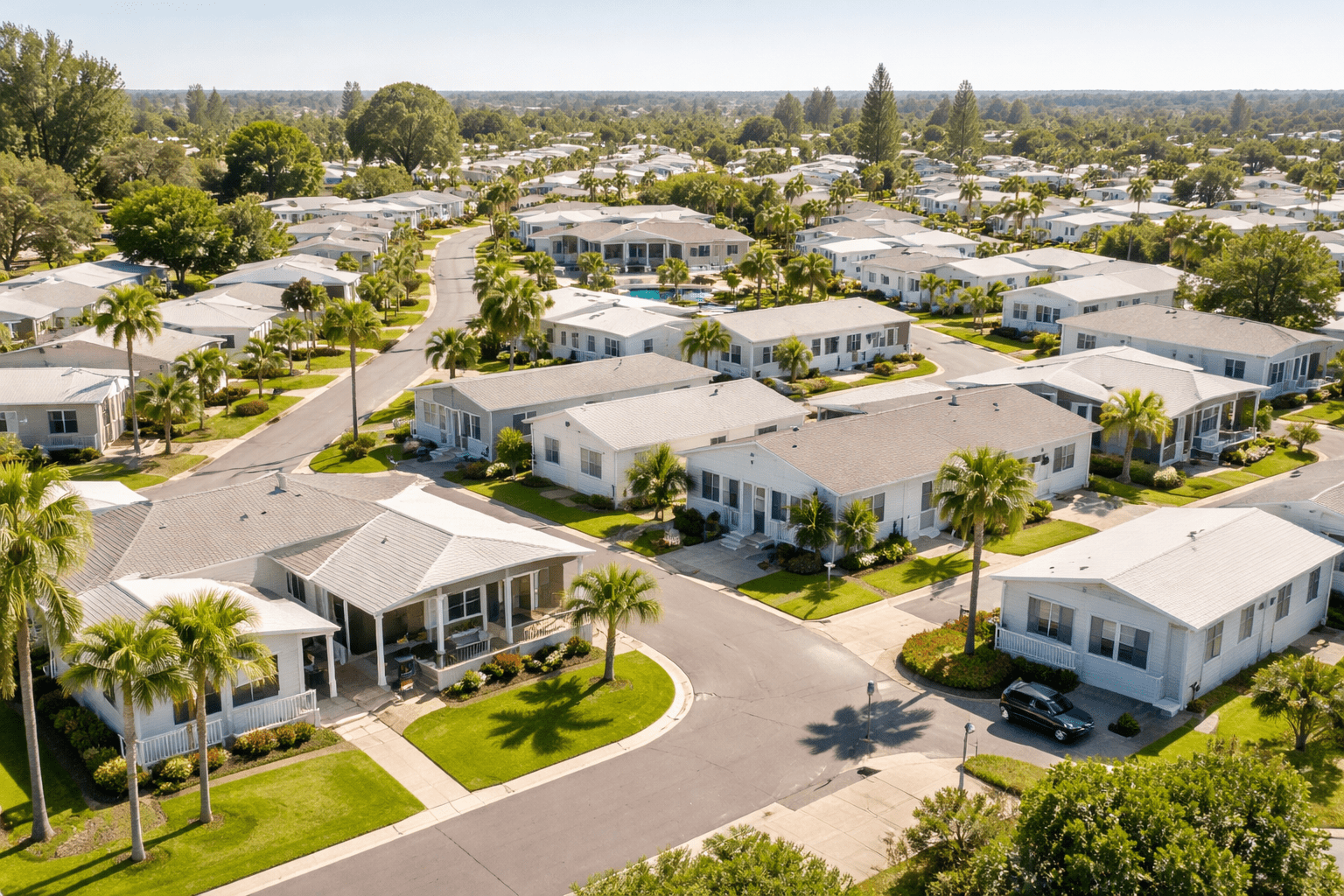
Manufactured housing moves fast. On any given day, teams are juggling leasing, approvals, vendors, financing, resident requests, and compliance, often across multiple locations at once.
There isn’t much room for friction, and there definitely isn’t time for unnecessary delays.
When everything is running smoothly, IT barely registers. Systems stay up without much effort and the technology doing the heavy lifting fades into the background, which is exactly how most teams want it.
The trouble is that when something does go wrong, it rarely stays small. A slow system, a device issue, or an access problem can ripple across departments and locations, pulling people away from their work and stalling processes that rely on momentum.
Manufactured housing doesn’t operate like a typical small business. The complexity behind the scenes is higher, the tolerance for downtime is lower, and the cost of disruption adds up quickly.
That’s why IT problems tend to hit harder here than in a lot of other industries.
This post looks at why that happens, where the cracks usually form, and what it takes to keep technology from becoming the thing that slows everything down.
A normal day in manufactured housing, until it isn’t
It’s 10 am on a Thursday morning. Property managers open their inboxes and start working through resident questions, approvals, and documents that need to be reviewed or sent out.
Corporate teams are coordinating with vendors, lenders, and regional staff. Everyone is moving between systems that are expected to just work, because they always have.
Nothing about the setup feels fragile in the moment. Files open, messages send, people sign in, and get on with their day.
Then something small interrupts the flow.
A document won’t load, access that worked yesterday suddenly doesn’t, and a device won’t connect the way it’s supposed to. It’s not dramatic enough to feel like an emergency, but it’s enough to slow things down. One person pauses, then another, and soon a task that should have taken minutes starts stretching out to hours.
In manufactured housing, that pause doesn’t stay isolated. When Approvals back up, calls don’t get returned as quickly. Teams will eventually start improvising workarounds to keep things moving, which adds more friction instead of less.
Before long, people are spending time managing the problem instead of doing the work they actually planned to do that day.
That’s usually the moment IT enters the conversation. Not as a strategy, but as a reaction. Something that needs to be fixed so everyone can get back on track.
Why manufactured housing feels the IT impact faster
Manufactured housing operations are more interconnected than they seem. Work flows between property managers, regional teams, vendors, and residents throughout the day, often across multiple locations and systems. Because of that, even a small technical issue has a way of traveling beyond the person who hits it first.
When technology creates friction, it doesn’t just slow one task down; it subtly reshapes how the rest of the day happens. Timelines shift, communication feels harder than it should, and people adjust their approach without always realizing they’re doing it. The issue itself might seem small, but its influence spreads.
There’s also very little appetite for stopping to diagnose problems in the moment. The priority is always to keep operations moving. Over time, that instinct adds layers of complexity that no one designed on purpose.
That’s why IT issues tend to feel heavier in manufactured housing. The systems supporting the work are expected to stay out of the way, and when they don’t, the disruption reaches further than expected before anyone has a chance to fix it the right way.
So, what does it look like when IT issues are fixed on time and the right way?
What proactive IT actually looks like in manufactured housing
Proactive IT in manufactured housing doesn’t mean constant change or layers of new tools. It’s quieter than that. Most of the time, it just looks like stability.
It starts with understanding how the business actually operates day to day. Where work flows, where approvals slow down, and where access needs to be flexible without becoming problematic.
Technology is shaped around those realities instead of forcing teams to adapt to systems that weren’t designed with this industry in mind.
Instead of waiting for devices to fail, systems to lag, or access issues to surface at the worst possible time, proactive IT focuses on reducing friction before it shows up in someone’s inbox.
Hardware is refreshes are planned ahead of time, access is reviewed regularly, and tools are evaluated based on whether they still support the way teams work now, not how they worked three years ago.
This is how IT stays mostly invisible, which is exactly the point. People aren’t thinking about their tech stack because it isn’t interrupting them. When questions come up or changes are needed, there’s already context and structure in place, so decisions don’t feel rushed or reactive.
For manufactured housing teams, proactive IT is really about protecting momentum. It keeps operations moving, reduces the need for workarounds, and makes sure technology supports growth instead of quietly complicating it.
So, how do you actually get there?
Getting to proactive IT usually doesn’t start with a big initiative or a sweeping change. In most manufactured housing companies, it starts with slowing down just enough to look at what’s already in place.
That means stepping back from day-to-day problem solving and asking a few foundational questions:
What systems are critical to keeping operations moving?
Where does work tend to pile up when something goes wrong?
Which tools and access points were added quickly and never really revisited?
The shift happens when those questions get asked outside of a crisis. When IT decisions aren’t being made under pressure, there’s space to be intentional, to clean up what’s outdated, to tighten what’s messy, and to align technology with how teams actually work now, not how things looked years ago.
This is also where having the right partner matters. Not someone who just fixes what breaks, but someone who understands the operational flow of manufactured housing and knows where small changes can have a big impact. Someone who can help prioritize without overwhelming, and guide decisions so IT evolves alongside the business instead of trailing behind it.
Proactive IT isn’t a finish line. It’s a posture. One where technology supports momentum quietly, and issues are handled before they have a chance to ripple through the organization.
IT that actually supports your business
Manufactured housing teams don’t need more technology. They need technology that stays out of the way and supports the pace of their work without creating more problems.
When IT is handled proactively, it stops being the thing that slows people down or pulls attention away from operations. It becomes steady, predictable, and largely invisible, which is exactly where it should be. Fewer surprises. Fewer workarounds. More momentum.
Getting there doesn’t require a full overhaul. Understanding what’s in place, what’s supporting the business, and what’s quietly creating drag behind the scenes.
If you’re curious about what proactive IT support could do for your manufactured housing company, contact us for a free IT assessment today.