
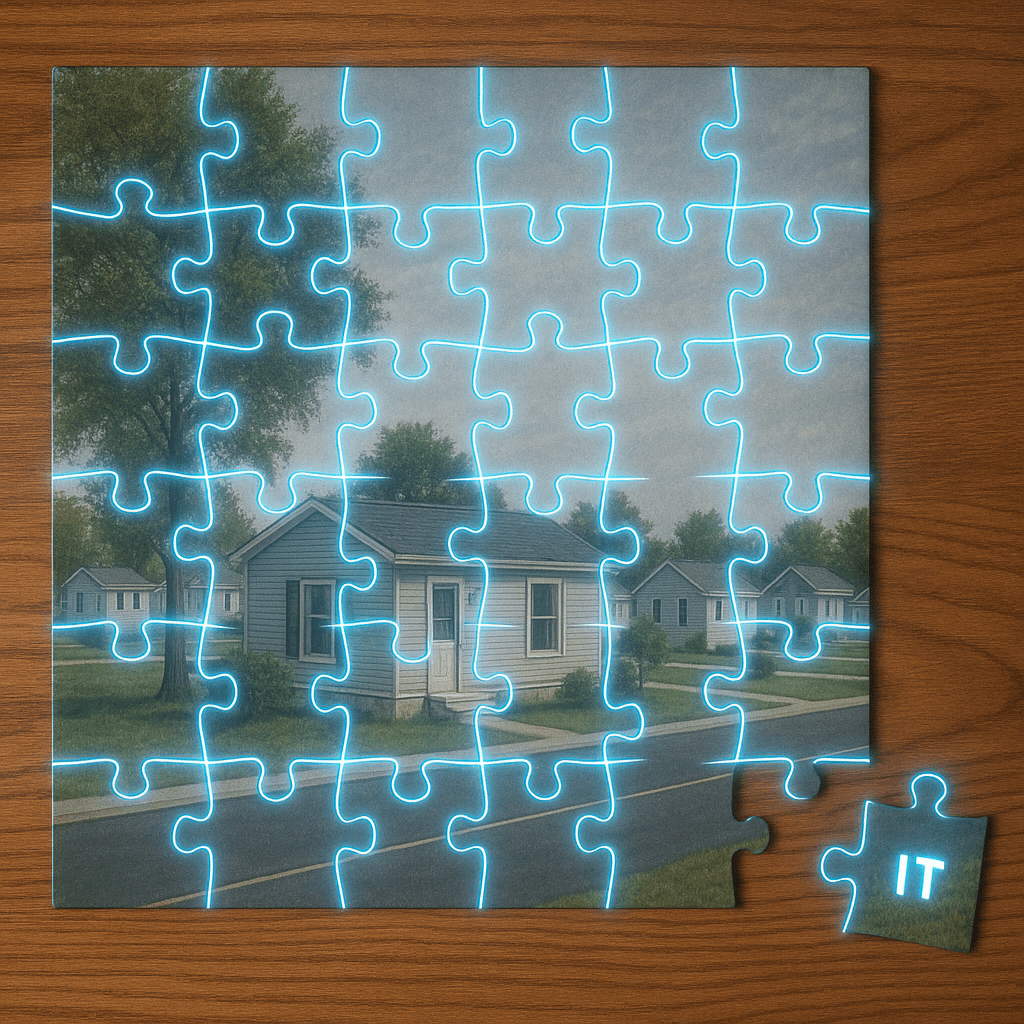
The technology you use on a daily basis is supposed to make community management easier, not harder. But for many manufactured housing companies, IT has become a constant source of frustration. Slow networks, outdated systems, and disconnected communities make it difficult to keep operations running smoothly, and even harder to deliver great resident experiences.
The problem isn’t that the technology doesn’t exist, it’s that most operators are stretched way too thin, juggling multiple locations, vendors, and responsibilities without a dedicated IT team to keep everything working the way it should.
The good news is that most of those IT nightmares have simple fixes.
In this blog, we’re diving into three of the most common technology problems we see in manufactured housing and what you can do to solve them before they start costing you time, money, and peace of mind.
The (big) role of IT in manufactured housing
In manufactured housing, your IT touches nearly every part of the operation, from leasing and billing to maintenance scheduling and resident communications. A single internet outage or system slowdown can throw off the entire day, and possibly the entire week.
Most operators don’t have the luxury of a full IT department. Instead, they rely on a mix of property managers, vendors, and quick fixes to keep things running. It works, until it doesn’t.
When one community’s network goes down or a shared system crashes, the effects ripple across every property under your umbrella.
Strong, reliable IT infrastructure isn’t just about keeping computers online. It’s about protecting resident data, keeping communication flowing, and making sure every community can run efficiently, no matter how far apart they are.
Problem #1: Unreliable Network and Internet Connectivity
For manufactured housing operators, every property relies on a stable internet connection to keep business moving, whether it’s processing rent payments, submitting maintenance requests, or managing resident communications.
But when your network goes down? Everything grinds to a halt.
A whole lot of communities are located in areas where internet service is inconsistent or outdated. When connections drop, staff lose access to key systems, residents get frustrated, and small issues turn into expensive delays.
To make things worse, if your internet setup isn’t monitored or backed up, you may not realize there’s a problem until it starts affecting your bottom line.
The Fix: Reliable connectivity starts with visibility. Operators who track network performance, identify weak spots early, and set up backup options (like cellular failover connections) can avoid the ripple effects of outages.
Investing in monitoring tools and standardized setups across properties also helps prevent downtime before it can do serious damage.
Problem #2: Outdated or Poorly Maintained Systems
In most communities, your IT only gets updated when something breaks. Computers run on old operating systems, software goes unpatched, and critical updates get postponed in the rush of day-to-day operations. It’s understandable, because most operators are managing tight budgets and busy teams, but those delays come with a host of hidden costs.
Outdated systems slow down employees, create compatibility issues, and open the door to security vulnerabilities.
Even seemingly small issues, like an aging router or expired antivirus software, can throw a wrench in workflows or put sensitive resident information at risk.
The Fix: Routine maintenance is the simplest way to avoid bigger problems. Setting clear schedules for updates, hardware replacements, and backups keeps systems running smoothly and securely.
Cloud-based management tools also make it easier to ensure every property stays current, no matter where it’s located.
Problem #3: No Centralized IT Oversight
When each community manages its own technology, it might seem simpler at first. Every property handles its own equipment, passwords, and troubleshooting. But without a shared system or central point of oversight, things get messy, fast.
Different computers run different versions of software, for example, and security settings vary from site to site. When an issue comes up, it’s hard to tell whether it’s a local problem or one that affects every community under your tree.
That lack of consistency is the perfect recipe for confusion, extra work, and unnecessary downtime.
The Fix: Standardization is key. Drafting clear IT policies, consistent hardware setups, and shared access controls to keep every community aligned.
Having centralized oversight (even something as simple as a single dashboard or a unified login system) can help you spot problems faster, improve security, and save time managing routine tasks.
How to strengthen your IT strategy (the easy way)
Your IT doesn’t have to be complicated, but it does need attention. The manufactured housing operators who run the smoothest communities share a few key habits when it comes to IT.
They plan ahead instead of reacting. Routine maintenance, update schedules, and data backups are treated like part of daily operations, not something to deal with when there’s a problem.
They stay consistent across communities. Standardized systems, shared logins, and documented procedures save time and eliminate confusion when staff move between properties or when vendors step in to help.
And most importantly, they keep visibility into their IT. Knowing which systems are running well and which ones need attention helps operators make informed decisions and avoid surprises.
Strong IT isn’t about adding more tools or spending a ton of money. It’s about building reliable, simple systems that support the work you do every day so your teams can focus on residents, not tech issues.
Better IT means better communities
For manufactured housing companies, your IT should make life easier, not harder. The truth is that most IT problems, from unreliable networks to outdated systems, don’t require complex fixes. They just need structure, consistency, and the right level of attention.
When your systems run smoothly, your teams can communicate better, resolve maintenance issues faster, and focus on the part of the job that matters most: your residents.
If you’re ready to take a closer look at your IT setup and identify where things could run more efficiently, Network Thinking can help. Let’s make sure your technology supports your operations, not the other way around.
Schedule your complimentary IT assessment today.